

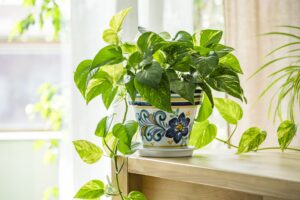
 Your Houseplants may contribute more than decorative value to your apartment. They can quietly signal changes in your indoor air quality. In many rental homes, issues such as poor ventilation, dust buildup, and imbalanced humidity often become visible through declining apartment plant health, sometimes well before occupants feel physical symptoms.
By learning how plants respond to indoor conditions, renters can recognize indoor air quality concerns early. This awareness makes it easier to take simple steps to improve the health and comfort of your rental home, resulting in a better living environment.
How Indoor Air Quality Affects Apartment Plant Health
Indoor air quality plays an important role in how well plants thrive inside apartments. While plants rely on the right amount of sunlight for growth, air quality is equally necessary for maintaining strong houseplant health. Conditions involving limited or recycled airflow and indoor pollutants can negatively affect plants long before occupants notice discomfort.
As plants are continuously exchanging air through their leaves, they are highly responsive to changes in their environment. This sensitivity makes them reliable indicators of your indoor air quality.
Common Plant Signals Linked to Poor Air Quality
If plants are struggling to thrive even with proper plant care, poor indoor air quality could be the cause. Warning signs such as yellowing leaves, browning edges, wilting stems, slow growth, or leaf loss may reveal airflow issues in your home.
Humidity strongly impacts plant health and indoor comfort. Air that is too dry can cause houseplant leaves to become crispy, while excessive moisture may lead to drooping, mold, or root damage. Many apartments experience humidity fluctuations due to HVAC systems, making plants an early alert system for indoor air quality.
Poor ventilation is another concern. Without proper ventilation, stale air and pollutants may remain trapped inside apartment homes. If houseplants farther from windows or vents appear weaker, uneven indoor airflow may be the cause. Closed windows, blocked vents, or crowded rooms can limit oxygen exchange, affecting both plant vitality and indoor air quality.
Dust buildup and pollutants on plant leaves can also be a source of poor air quality. Indoor pollutants from cleaning products, cooking, or candles can create additional stress for plants. When plants struggle, it may mean your indoor air may be unhealthy.
Simple Ways Renters Can Improve Indoor Air Quality
Improving your indoor air quality doesn’t require complicated solutions. There are several easy actions to improve the air quality inside your home:
- Open windows when possible
- Utilize fans to improve air movement
- Keep vents free from obstruction
- Regularly dust plants and surfaces
Following these small habits support healthier plants, promote cleaner air, and increase comfort in your apartment.
When Plant Problems Signal a Property Maintenance Issue
If multiple houseplants are experiencing the same symptoms despite proper care, this could indicate a larger issue with your home’s airflow or air quality. For example, persistently high indoor humidity or circulation problems are common signs that your HVAC system isn’t functioning properly. Early communication with your landlord can help stop long-term damage and improve your living conditions promptly.
Healthier Plants, Healthier Apartment Living
Plants do more than brighten a space; they act as indicators of the health of your apartment’s environment. Regular paying attention to apartment plant health helps you recognize and manage indoor air quality issues before they escalate.
When your houseplants are struggling or indoor air quality is a concern, it may be time to call in the experts. Reach out to Real Property Management Diamond for rental support. We showcase a range of quality rental properties in Middletown. Browse our available rental listings to find your dream home or call 302-313-7700 today.
This content is provided for general informational and educational purposes only and does not constitute financial, legal, tax, or investment advice. Readers should consult with licensed professionals regarding their specific circumstances.
We are pledged to the letter and spirit of U.S. policy for the achievement of equal housing opportunity throughout the Nation. See Equal Housing Opportunity Statement for more information.
