

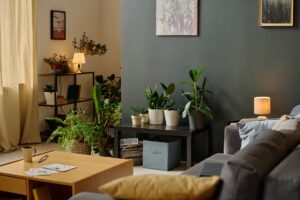
 Incorporating greenery to your apartment or rental home is one of the most effortless ways to design an inviting living space. Plants contribute beauty, improve air quality, and influence your mood in positive ways.
Despite concerns from some renters about maintenance or property damage, the right plants and thoughtful placement help you enjoy vibrant greenery with no stress. Whether you like abundant foliage, colorful flowering plants, or interesting leaf patterns, these tips will transform your apartment into a lively sanctuary.
Why Plants Are Perfect for Apartment Living
Plants bring more than style into a home. They can significantly reduce stress, freshen the air, and provide a natural ambiance indoors. This is particularly beneficial in smaller or urban apartments where outdoor space is limited.
By including greenery in your décor, you can easily make your space feel larger and more inviting, all while coordinating with your current design. Choosing renter-friendly plants lets you enjoy all these advantages without risking damage to your walls, floors, or furniture.
Low-Maintenance Indoor Plants That Thrive in Rentals
For renters constantly on the go, a wide range of houseplants require minimal care and attention. Ideal for beginners, these plants thrive in low light and withstand periods of missed watering. Great candidates include:
- Snake Plant (Sansevieria) – Highly resilient; deals well with dim spaces and irregular watering.
- ZZ Plant (Zamioculcas zamiifolia) – Glossy, structured leaves; thrives in low light; minimal watering needed.
- Pothos (Epipremnum aureum) – Easy trailing vine that adapts to lighting changes and recovers quickly.
- Spider Plant (Chlorophytum comosum) – Robust, air-cleansing, and grows baby shoots.
- Cast Iron Plant (Aspidistra elatior) – Exceptionally tough, tolerates shade and low water.
- Philodendron (Heartleaf varieties) – Simple trailing plant ideal for both shelves and hanging planters.
- Dracaena (various types) – Vertical, hardy plants requiring little indoor upkeep.
These long-lasting selections add life and color to your apartment. Even if you’re routinely busy or travel frequently, they remain healthy with little effort, making them standout renter-friendly plants.
Plants That Add Brightness and Style to Your Space
If your aim is to add a pop of color among the greenery, pick plants such as African violets, peace lilies, or calatheas. These popular choices can thrive in indirect light and introduce vivid flowers or decorative leaf patterns throughout your living space. Positioning them near window areas or on open shelves creates natural focal points and adds visual interest to your apartment.
Safety and Care Tips Every Renter Should Know
When adding houseplants to your rental space, keep in mind your lifestyle and whether you have children or pets that might interact with them. Some plant varieties are toxic if ingested, so make sure to opt for non-toxic varieties if you share your space with pets.
To prevent water damage to floors and furniture, always set your pots on trays or protective saucers. As you tend to your plants, try to build a care pattern that suits your schedule. Overall, houseplants do well with weekly watering along with periodic pruning. By using these tips, you can enjoy the benefits of indoor plants while keeping your home safe and comfortable.
A Simple Way to Make Your Rental Bloom
As you can see, the right renter-friendly plants can make even a limited-size rental home feel cheerful and full of individuality. By choosing the best plants for apartments, you can relish their charm and the health benefits they bring.
Are you searching for a rental home that offers expanded space for greenery? Your local experts at Real Property Management Diamond offer quality rental homes in Georgetown and surrounding locales! Contact us online or call us on 302-313-7700with questions.
This content is provided for general informational and educational purposes only and does not constitute financial, legal, tax, or investment advice. Readers should consult with licensed professionals regarding their specific circumstances.
We are pledged to the letter and spirit of U.S. policy for the achievement of equal housing opportunity throughout the Nation. See Equal Housing Opportunity Statement for more information.
